


Dispersing agent in dyeing
2025-04-11
1. Basic functions
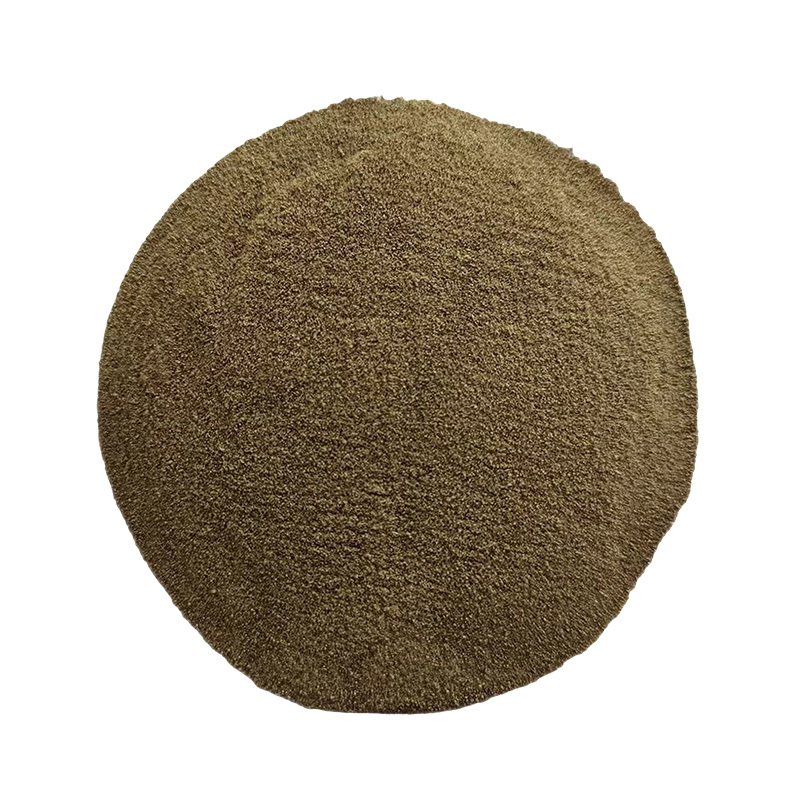
The dispersing agent in dyeing can evenly disperse the dye or pigment particles in the dye liquor. During the dyeing process, many dyes and pigments have a tendency to aggregate. The dispersing agent forms a protective film by adsorbing on the surface of the particles to prevent the particles from attracting and agglomerating each other. This ensures that the dye can evenly contact the fabric fibers during dyeing, thereby obtaining a dyeing effect with uniform color.
Because it can evenly disperse the dye, it reduces the local deposition of the dye on the fabric. This makes the dyeing process more efficient, reduces the need for repeated dyeing operations due to uneven dyeing, and saves time, energy and dye usage.
2. Performance characteristics
High-quality dispersing agents can maintain a stable dispersion effect under different temperature, pH and other conditions. During the dyeing process, the temperature and pH of the dye liquor may change, and the stability of the dispersing agent ensures that the dye is always in a good dispersed state. For example, when dyeing at high temperature, it can prevent the dye particles from agglomerating due to high temperature and ensure the smooth progress of dyeing.
The dispersing agent in dyeing has good compatibility with different types of dyes and auxiliaries. Whether it is acid dyes, reactive dyes or other types of dyes, dispersants can work with them without chemical reactions that affect the dyeing effect or cause the dye liquor to deteriorate.
Many dispersants have the characteristics of low foaming. During the dyeing process, too much foam will affect the circulation and penetration of the dye liquor, which may lead to uneven dyeing. Low-foaming dispersants can avoid this situation, ensure the normal circulation of the dye liquor, and make the dye penetrate evenly into the fabric fibers.
3. Environmental protection
Modern dispersants pay more and more attention to environmental protection performance, and many dispersants have good biodegradability. This means that after use, they can be decomposed by microorganisms faster in the natural environment, reducing pollution to the environment.
Safe and non-toxic to operators and the environment. In working environments such as dyeing workshops, the use of non-toxic and harmless dispersants can protect the health of workers and also meet the requirements of environmentally friendly production.
dispersing agent in dyeing is an indispensable auxiliary agent in the dyeing industry, and plays an irreplaceable role in improving dyeing quality, efficiency and environmental protection.
Previous Page:
Real-time information
If you are interested in our products /you can also directly call us, contact phone number: 86-372-2266315

Address
16th Floor, Tower A,
International Trade Center,
East Section of Wenfeng Avenue,
Anyang City, Henan Province,
China
Telephone
Address
16th Floor, Tower A,
International Trade Center,
East Section of Wenfeng Avenue,
Anyang City, Henan Province,
China