


Sodium Lignosulphonate Dispersant
2025-03-11
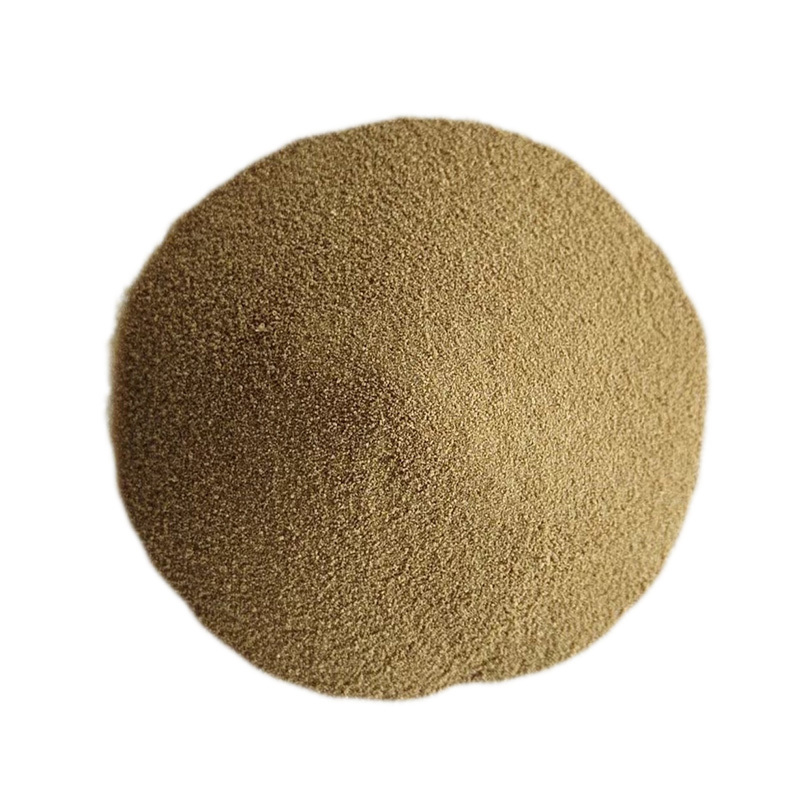
Sodium Lignosulphonate Dispersant is a multifunctional, environmentally friendly dispersant with a wide range of applications in many industrial fields.
1. Chemical properties
Sodium lignin sulfonate is made from wood and other lignocellulose raw materials. It is an anionic surfactant with functional groups such as sulfonic acid groups in its molecular structure. This chemical structure gives it good hydrophilicity and adsorption capacity for solid particles.
2. Dispersibility
In the field of building materials
In the cement industry, it can be used as a water reducer and dispersant. It can adsorb on the surface of cement particles, causing cement particles to repel each other, thereby effectively dispersing cement particles. This helps to improve the workability of concrete, increase the fluidity of concrete, and make concrete easier to operate during pouring. At the same time, it can also reduce water consumption and improve the strength and durability of concrete.
In the dye industry
It has a significant dispersing effect on pigments and dyes. It can evenly disperse pigment or dye particles in the solution to prevent particle agglomeration. This allows the dye to be more evenly dyed onto fabrics or other materials during the dyeing process, improving dyeing quality and reducing defects such as color flowers.
In the agricultural field
It can be used as a pesticide dispersant. In pesticide preparations, Sodium Lignosulphonate Dispersant can evenly disperse water-insoluble pesticide raw materials in water to form a stable suspension. In this way, when spraying pesticides, it can ensure that the pesticides are evenly covered on the surface of crops, improve the efficacy of pesticides, and reduce the waste of pesticides.
3. Environmental advantages
Sodium Lignosulphonate Dispersant has good biodegradability. Compared with some synthetic, non-degradable dispersants, it has less pressure on the environment. In today's environmentally friendly industrial production environment, this feature makes it a dispersant product that many companies give priority to.
4. Stability and compatibility
The dispersant has good chemical stability and can maintain good dispersibility under different pH and temperature conditions. And it has good compatibility with a variety of other adjuvants and raw materials, and can be easily compounded with other ingredients to meet different production needs.
Real-time information
If you are interested in our products /you can also directly call us, contact phone number: 86-372-2266315

Address
16th Floor, Tower A,
International Trade Center,
East Section of Wenfeng Avenue,
Anyang City, Henan Province,
China
Telephone
Address
16th Floor, Tower A,
International Trade Center,
East Section of Wenfeng Avenue,
Anyang City, Henan Province,
China