


Exploring the Benefits of Using Dispersing Agents for Pigment Stability in Chemical Applications
2025-12-10
Exploring the Benefits of Using Dispersing Agents for Pigment Stability
Table of Contents
- 1. Introduction to Dispersing Agents
- 2. What Are Dispersing Agents?
- 3. The Importance of Pigment Stability
- 4. How Dispersing Agents Work
- 5. Types of Dispersing Agents
- 6. Benefits of Using Dispersing Agents for Pigment Stability
- 7. Applications of Dispersing Agents in Various Industries
- 8. Choosing the Right Dispersing Agent
- 9. Frequently Asked Questions (FAQs)
- 10. Conclusion
1. Introduction to Dispersing Agents
In the realm of chemical formulations, the stability of pigments is paramount. Pigments are widely used in paints, coatings, plastics, and more; however, their stability can be compromised due to factors such as sedimentation, agglomeration, and flocculation. This is where dispersing agents come into play. Dispersing agents are specialized additives that facilitate the uniform distribution of pigment particles within a medium, thereby enhancing their stability and performance.
2. What Are Dispersing Agents?
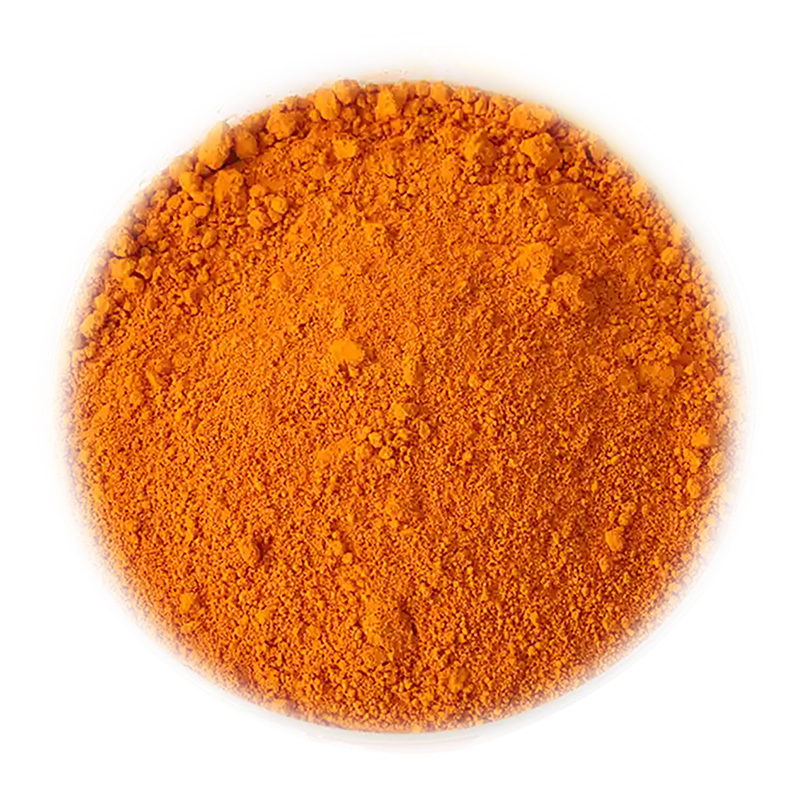
Dispersing agents, also known as dispersants or wetting agents, are substances that help to separate and stabilize pigment particles within a liquid medium. By reducing the surface tension between the particles and the medium, these agents enable pigments to disperse evenly, preventing clumping and settling. Dispersing agents are essential in ensuring that pigments maintain their intended color, consistency, and efficacy in various applications.
3. The Importance of Pigment Stability
Pigment stability is critical for a variety of reasons:
- **Color Consistency**: Stable pigments ensure consistent color application, which is vital in industries like paint and coatings, where color matching is essential.
- **Performance**: Stability affects the durability and longevity of pigments in products. Unstable pigments may fade or change color over time, compromising product integrity.
- **Reduced Waste**: When pigments are stable, there is less waste during production and application, leading to cost savings and improved product efficiency.
4. How Dispersing Agents Work
Dispersing agents work by altering the surface properties of pigment particles and the medium in which they are suspended. They typically possess amphiphilic characteristics, meaning they have both hydrophobic (water-repelling) and hydrophilic (water-attracting) segments. This duality allows dispersing agents to effectively reduce the surface tension between the pigment particles and the dispersing medium.
When added to a mixture, dispersing agents:
1. **Reduce Agglomeration**: By interacting with pigment particles, they prevent them from clumping together.
2. **Enhance Wetting**: They allow the medium to better interact with the pigment particles, promoting uniform dispersion.
3. **Stabilize Suspensions**: They create a barrier around pigment particles, preventing them from settling out of the mixture.
5. Types of Dispersing Agents
Dispersing agents can be classified into three primary categories based on their charge and structure:
5.1 Anionic Dispersing Agents
Anionic dispersing agents carry a negative charge, making them effective in dispersing positively charged particles. These agents often provide excellent stability and are commonly used in water-based formulations.
5.2 Cationic Dispersing Agents
Cationic dispersing agents possess a positive charge and are particularly useful for stabilizing negatively charged pigments. They are often found in applications such as textile coatings and adhesives.
5.3 Nonionic Dispersing Agents
Nonionic dispersing agents do not carry any charge and are suitable for a wide range of pH environments. They are versatile and can be used in both water-based and solvent-based systems.
6. Benefits of Using Dispersing Agents for Pigment Stability
Utilizing dispersing agents in pigment formulations presents numerous advantages:
- **Enhanced Color Brightness**: Proper dispersion leads to improved color vibrancy, giving products a more appealing appearance.
- **Improved Flow Properties**: Dispersing agents facilitate better flow and application characteristics, making manufacturing and application easier.
- **Increased Product Shelf Life**: By maintaining pigment stability, products have an extended shelf life, reducing the need for frequent re-manufacture.
- **Cost-Effectiveness**: Reducing waste and enhancing performance translates to lower production costs and improved profitability.
7. Applications of Dispersing Agents in Various Industries
Dispersing agents are integral in multiple industries, including:
- **Paints and Coatings**: They ensure even color distribution and prevent settling, which is critical in achieving a professional finish.
- **Plastics**: In plastic manufacturing, dispersing agents help to achieve uniform coloration and enhance material properties.
- **Cosmetics**: In the cosmetic industry, they improve the texture and appearance of products, ensuring that pigments remain evenly distributed.
- **Food Industry**: Dispersing agents play a role in food colorants, ensuring that colors remain stable and vibrant in various formulations.
8. Choosing the Right Dispersing Agent
Selecting the appropriate dispersing agent involves considering several factors:
- **Pigment Characteristics**: The type and characteristics of the pigment being used will influence the choice of dispersing agent.
- **Medium Compatibility**: Ensure that the dispersing agent is compatible with the medium (water or solvent-based) to achieve optimal results.
- **End-Use Application**: Consider the final application of the product to select a dispersing agent that will provide the necessary stability and performance.
9. Frequently Asked Questions (FAQs)
What are the signs of pigment instability?
Signs of pigment instability include color fading, sedimentation, and the formation of clumps in the formulation.
Can dispersing agents be used in all types of pigments?
While many pigments benefit from dispersing agents, the effectiveness depends on the type of pigment and the characteristics of the dispersing agent used.
How do I determine the right amount of dispersing agent to use?
The optimal amount varies based on the formulation and specific requirements. It is advisable to conduct trials to identify the right concentration for your application.
Are there environmental considerations for using dispersing agents?
Yes, it is essential to consider the environmental impact of dispersing agents, especially in applications involving food and cosmetics. Choosing eco-friendly options can mitigate potential risks.
How can I improve the efficiency of dispersing agents?
Improving the dispersion process through mechanical means, such as high-shear mixing, can enhance the effectiveness of dispersing agents.
10. Conclusion
The role of dispersing agents in maintaining pigment stability cannot be understated. As we've explored, these agents not only enhance the appearance and performance of pigments but also contribute to cost-efficiency and product longevity across various industries. By understanding the different types of dispersing agents and their applications, manufacturers can make informed decisions that lead to superior product quality. Investing in the right dispersing agents is essential for achieving optimal pigment stability, which ultimately results in improved customer satisfaction and success in the marketplace.
Previous Page:
Real-time information
If you are interested in our products /you can also directly call us, contact phone number: 86-372-2266315

Address
16th Floor, Tower A,
International Trade Center,
East Section of Wenfeng Avenue,
Anyang City, Henan Province,
China
Telephone
Address
16th Floor, Tower A,
International Trade Center,
East Section of Wenfeng Avenue,
Anyang City, Henan Province,
China